Gas Line Plumber in San Jose, CA — Repair, Installation & Leak Detection
Professional gas line services across San Jose. New installations, repairs, replacements, leak detection, and appliance connections. All work is pressure-tested, permit-coordinated, and PG&E-compliant. 24/7 emergency response.
Signs of a Natural Gas Leak in Your Home
Natural gas is naturally odorless — utility companies add mercaptan to give it that distinctive smell. But not all leaks produce a strong odor. Watch for these signs beyond smell.
1. Rotten Egg or Sulfur Smell
The most recognizable sign. Even a faint smell of rotten eggs or sulfur near appliances, gas meters, or in basements indicates gas is escaping.
2. Hissing or Whistling Sound
A hissing sound near a gas line, meter, or appliance connection means gas is escaping under pressure. May be barely audible — listen carefully in quiet moments.
3. Dead Vegetation Near Gas Lines
Grass, plants, or trees that die in a specific spot — especially in a line pattern from the meter to the house — indicate an underground gas leak killing plants at the roots.
4. Unusually High Gas Bill
A gradual or sudden increase in your PG&E gas bill without corresponding change in usage often signals gas is escaping somewhere in your system
Physical Symptoms When at Home
Headaches, dizziness, nausea, fatigue, or breathing difficulty that improve when you leave the house may indicate low-level gas exposure or carbon monoxide from incomplete gas combustion.
Complete Gas Line Services in San Jose
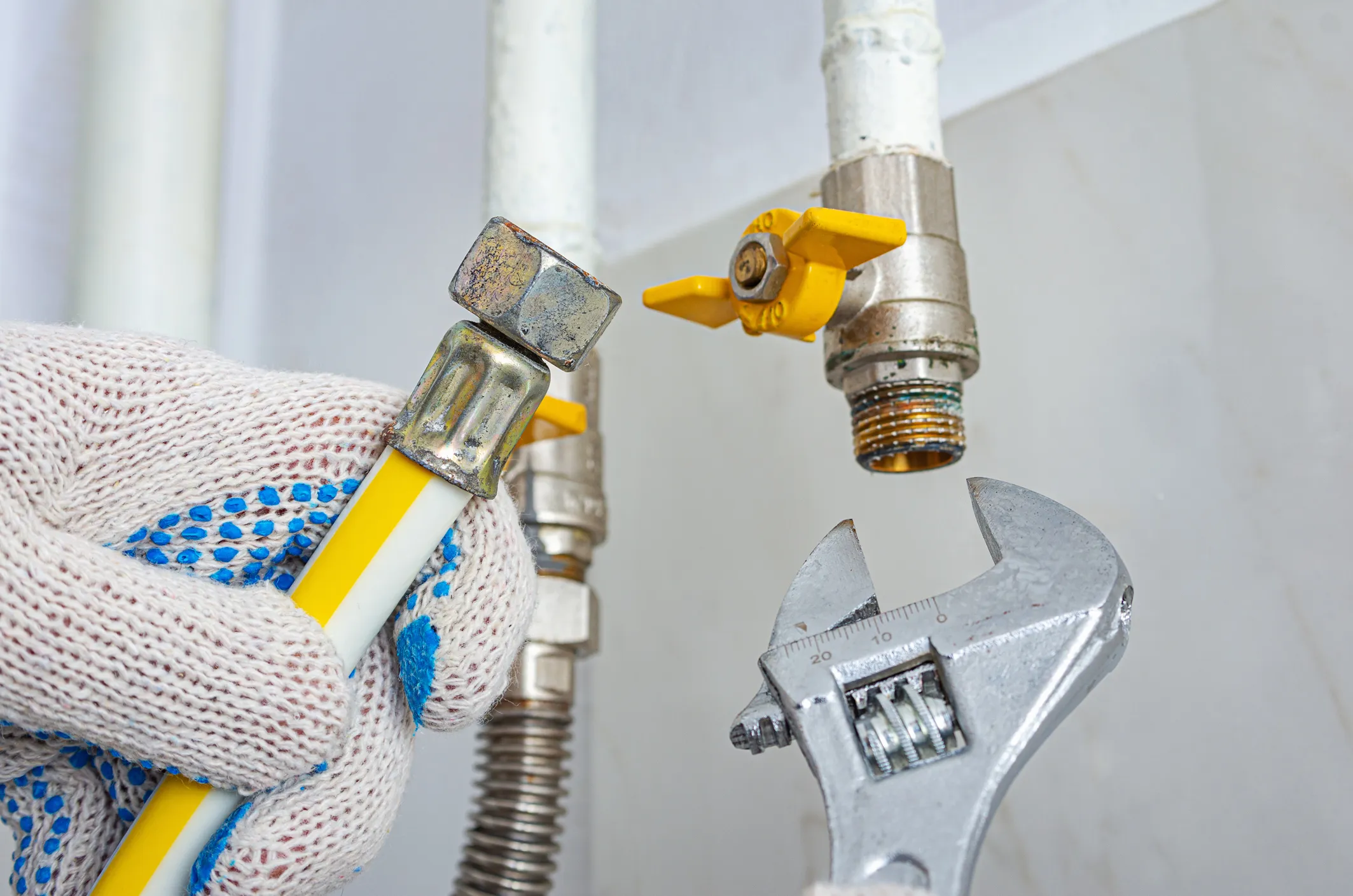
We handle every aspect of residential gas line work — from a simple appliance connection to full whole-house replacement, all pressure-tested and code-compliant.
New Gas Line Installation
Installation of new gas lines for appliance additions — gas ranges, dryers, water heaters, outdoor kitchens, pool heaters, generators, and patio heaters. Includes proper sizing based on appliance BTU load, material selection (black iron or CSST), shutoff valve placement, and pressure testing.
Gas Line Repair
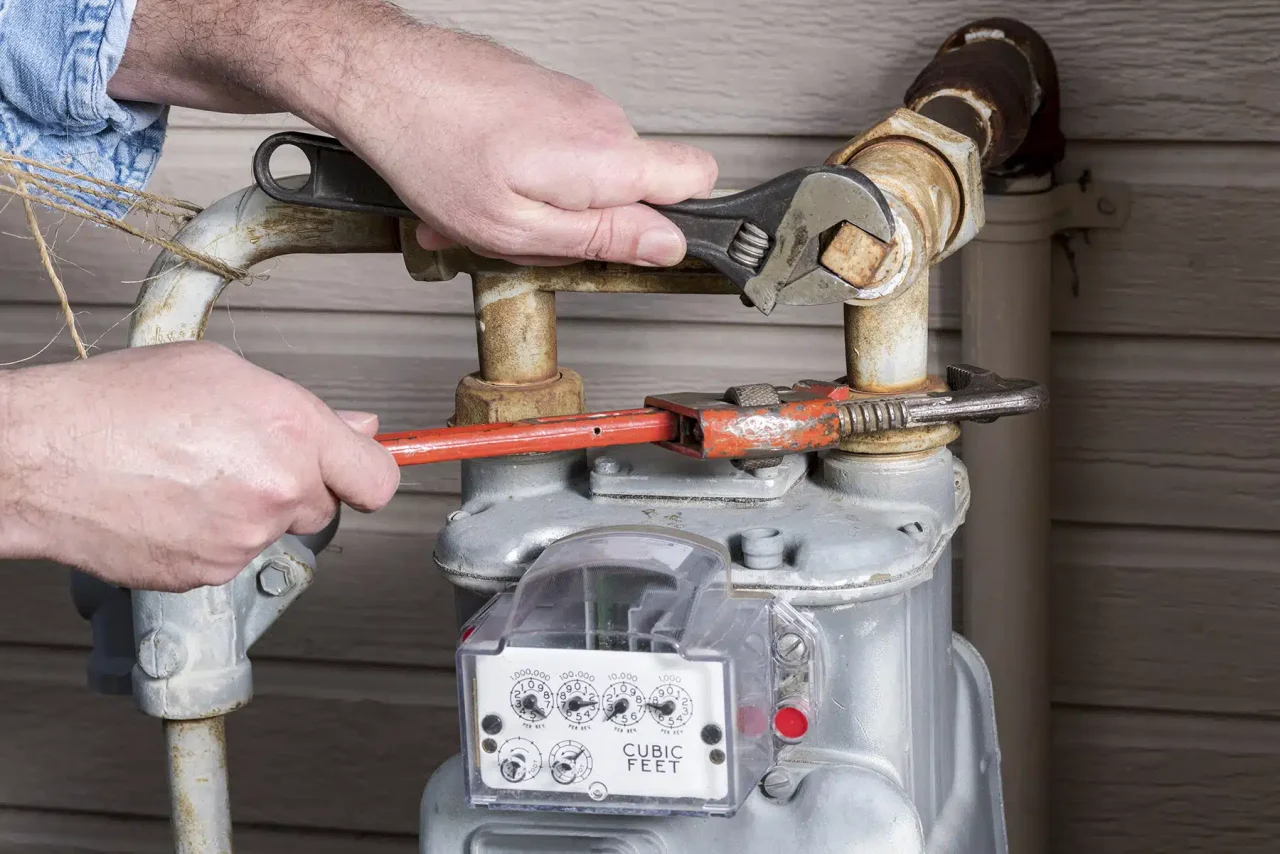
Repair of leaking joints, damaged sections, corroded pipe, and failed fittings in existing gas lines. Every repair includes pre-repair leak location using electronic detectors and post-repair pressure testing to verify safety.
Gas Line Replacement
Full or partial replacement of aging, corroded, or damaged gas piping. Common in older San Jose homes with original galvanized steel gas lines from the 1950s-1970s. Includes proper permit coordination and PG&E coordination for meter reconnection.
Gas Leak Detection
Professional gas leak detection using electronic combustible gas sensors (10 PPM sensitivity), soap bubble testing at every joint, pressure testing to isolate leak sections, and thermal imaging for buried line issues. Locates leaks accurately without unnecessary demolition.
Gas Appliance Connection
Installation of gas connections for new appliances — water heaters, ranges, dryers, fireplaces, furnaces, pool heaters, generators, and outdoor cooking equipment. Includes dedicated shutoff valve and flexible connector per code.
Gas Line Extension
Extension of existing gas lines to reach new appliances or new outdoor gas applications. Common projects include adding gas to outdoor kitchens, backyard fire pits, patio heaters, and detached workshops.
CSST Piping Installation
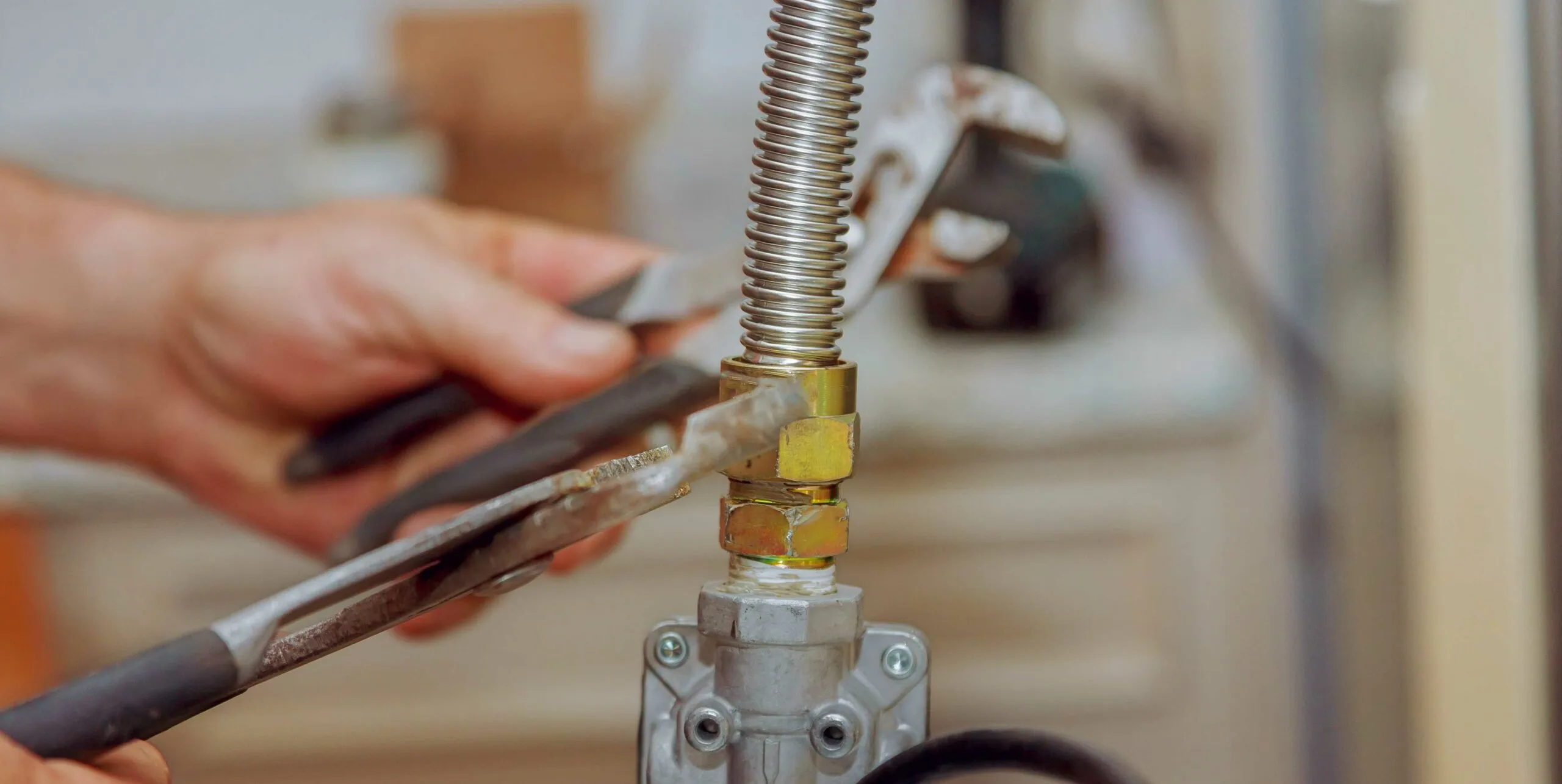
Corrugated Stainless Steel Tubing (CSST) is the modern alternative to threaded black iron. Faster installation, flexible routing, and equally safe with proper bonding. Especially useful for retrofit work in finished homes.
Gas Line Pressure Testing
Standalone pressure testing to verify existing gas line integrity — required before real estate transactions, after seismic events, after major renovations, or when you suspect a leak. Includes written report suitable for insurance or realtor documentation.
Emergency Gas Line Service
24/7 emergency dispatch for confirmed gas leaks (after PG&E has secured the area), damaged gas lines from construction, tree roots, or ground movement, and gas service outages requiring immediate diagnosis.
Types of Gas Piping We Install
Different gas piping materials suit different applications. Here’s what each offers.
Black Iron Pipe (Traditional Steel)
The industry standard for residential interior gas piping for over 100 years. Threaded steel pipe in 1/2″, 3/4″, and 1″ sizes. Extremely durable, code-compliant everywhere, and easy to modify. Downside: rigid, requires threading tools, more labor-intensive.
CSST (Corrugated Stainless Steel Tubing)
Modern flexible alternative to black iron. Yellow-jacketed stainless steel tubing that flexes through joists and walls without complex fittings. Brand names include Gastite, WardFlex, and TracPipe. Requires proper bonding to grounding system. Faster installation, especially for retrofit work.
Coated Steel Pipe (Buried Applications)
For gas lines running underground between the meter and the house or to outdoor appliances. Steel pipe with corrosion-resistant coating (typically epoxy or polyethylene). Buried per code depth requirements — usually 12-18 inches minimum.
Copper Pipe
Allowed for gas piping in California under certain conditions — typically for certain interior applications and appliance connections. Requires flare or brazed connections, not compression fittings. Less common than steel or CSST.
Polyethylene (PE) for Buried Applications
Yellow polyethylene tubing for buried gas lines outside the home. Common for lines to outdoor kitchens, pool heaters, and generators. Requires proper transition fittings to steel or CSST inside the home.
Common Gas Line Issues in San Jose Homes
San Jose homes face specific gas line issues based on home age, soil conditions, and seismic activity. Here’s what we see across the area.
Aging Galvanized Gas Lines in Pre-1970 Homes
Homes built in Willow Glen, Rose Garden, Naglee Park, and older Downtown areas before 1970 often still have original galvanized steel gas piping. After 50+ years, these lines corrode from the inside — reducing gas pressure to appliances and creating leak potential. Full or partial replacement with black iron or CSST is the permanent solution.
Post-Earthquake Gas Line Damage
Bay Area seismic activity puts stress on rigid gas piping. After significant earthquakes, we often discover fitting separation, threaded joint loosening, or pipe cracks. Automatic gas shutoff valves (excess flow valves) are increasingly required for San Jose homes in higher-risk areas.
Outdoor Kitchen & Generator Expansions
Silicon Valley homes increasingly add outdoor kitchens, whole-house generators, and pool heaters — often requiring gas meter upgrade and new dedicated buried lines. We coordinate with PG&E for meter changes and handle permit process.
How We Handle Gas Line Work in San Jose
Safety-First Assessment
Call (669) 332-9191. We ask about your situation — do you smell gas, is it a repair, are you adding an appliance, or need new construction. For any gas smell, we route you to PG&E first.
On-Site Diagnosis
Our technician arrives, uses combustible gas detectors to check for leaks, inspects existing piping condition, verifies proper venting and clearances, and identifies what work is actually needed.
Written Quote & Permit Coordination
You receive a written flat-rate quote. For work requiring San Jose Building Department permits (most new installation and replacement), we handle the permit application, coordinate PG&E involvement, and schedule inspections.
Safe Installation or Repair
Work is performed to California Plumbing Code and San Jose city amendments. All connections are tested with soap solution during assembly. Final pressure test at 15+ PSI verifies complete integrity.
Why San Jose Homeowners Choose Us for Gas Line Work
Safety-First Approach
For any gas smell, we route you to PG&E first — safety before service. We don’t dispatch until PG&E has secured the area. This isn’t the fastest path to revenue for us; it’s the right way to handle gas emergencies.
PG&E Coordination Handled
Meter changes, meter upgrades, service reconnections, and PG&E inspection scheduling — we handle it all. You don’t chase paperwork with the utility.
Permit Coordination Included
San Jose Building Department permits are required for most gas line work. We handle application, coordination, and inspection scheduling as part of the project.
Pressure Testing on Every Job
Every gas line repair or installation includes final pressure testing at 15+ PSI, documented. No verbal “it’s fine” — you get written proof the system holds pressure.