Sewer Line Repair in San Jose, CA — Trenchless & Traditional Solutions
From spot repairs to full trenchless replacement, we fix broken, clogged, and collapsed sewer lines across San Jose. Video camera inspection first. Written estimate before any work. Permit coordination included.
What Is Sewer Line Repair?
Sewer line repair is the professional restoration of the underground pipe that carries wastewater from a home to the city sewer main. Repairs range from spot fixes for small breaks, to trenchless pipe lining and pipe bursting for full-line rehabilitation, to complete excavation and replacement for collapsed lines. Every repair should begin with a video camera inspection.
Why It Matters
A broken sewer line doesn’t just cause backups — it contaminates soil, damages foundations, kills landscaping, and creates health hazards. In San Jose, sewer lateral failures are especially common in homes built between 1950 and 1975, when clay tile and Orangeburg pipes were standard. Left unrepaired, a small crack becomes a full collapse — and a $3,000 fix becomes a $20,000 emergency.
Signs You Have a Broken or Failing Sewer Line
Sewer line problems build for months before homeowners notice. Recognizing the early signs prevents major property damage.
Multiple Drains Slow or Back Up Together
When the kitchen sink, bathroom drains, showers, and toilets all slow at once, the problem is downstream in the main sewer line — not any individual fixture. This is the single strongest sign of sewer lateral trouble.
Sewage Smell Inside or in the Yard
Rotten sewage odors inside the home (often near floor drains, laundry rooms, or crawlspaces) or outside along the sewer line path mean sewage is escaping the pipe. Never ignore sewer smells — they indicate active leaks.
Unusually Green or Soggy Grass Above the Line
Grass over a leaking sewer line grows faster and greener than surrounding lawn — sewage fertilizes soil. Soggy patches during dry weather along the path from house to street are a classic tell.
Gurgling Toilets or Bubbling Drains
When flushing one toilet causes another drain to gurgle or bubble, or when running the washing machine causes shower drain bubbling, air is escaping through unusual paths — usually because a sewer blockage is forcing wastewater to find alternate routes.
Cracked Foundation or Sinking Yard Sections
Long-term sewer leaks erode soil beneath foundations, causing cracks, uneven floors, or visible sinkholes above the sewer path. This is severe and requires immediate attention.
Frequent Recurring Clogs
If your sewer line clogs every few months despite snaking or hydro jetting, the pipe is structurally failing — cracks, root intrusion, or belly (sagging) sections trap debris repeatedly.
Sewer Line Repair Methods We Use
Not every sewer problem needs the same solution. The right method depends on the extent of damage, pipe material, depth, and access. Here are the main options.
Spot Repair (Point Repair)
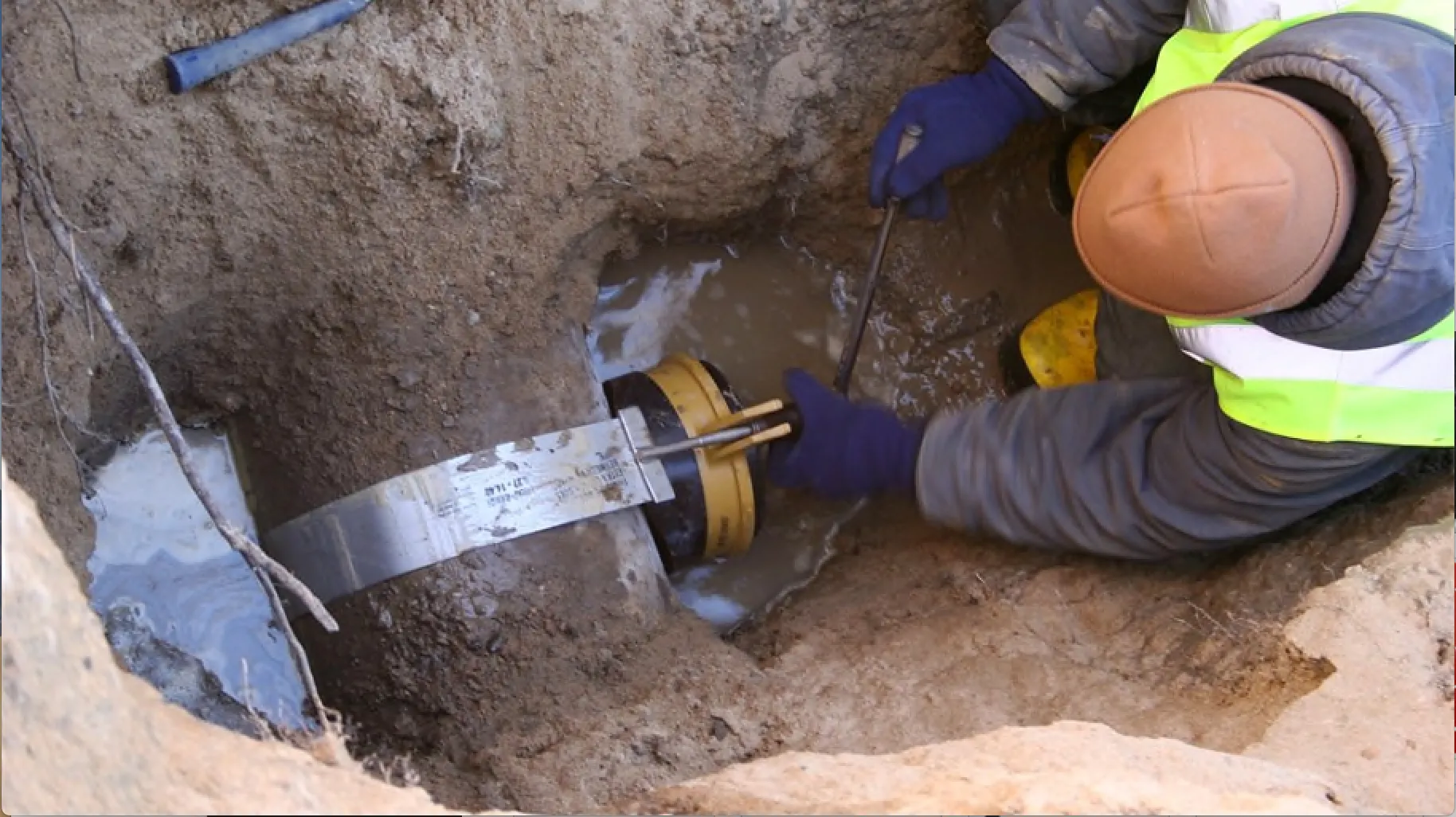
Best for isolated damage on an otherwise intact line. A small excavation exposes the damaged section, and the affected pipe (typically 2 to 6 feet) is cut out and replaced. Fastest and cheapest option — typically $1,500 to $3,500 depending on depth. Not suitable if damage is spread across multiple sections.
Cured-In-Place Pipe Lining (CIPP) — Trenchless
An epoxy-saturated fabric liner is pulled through the existing pipe from an access point, inflated, and cured — creating a new smooth pipe inside the old one. No trenches required. The liner adds strength, seals cracks and joints, and blocks future root intrusion. Effective for pipes 4 to 6 inches diameter with intact overall structure. Cost: $3,500 to $8,000 for typical residential lateral. 50-year warranty from most manufacturers.
Pipe Bursting — Trenchless
A cone-shaped bursting head is pulled through the old pipe, fracturing it outward while simultaneously pulling a new HDPE (high-density polyethylene) pipe through. Requires only two access pits at start and end. Ideal when the old pipe is severely damaged or when upsizing pipe diameter. Cost: $5,000 to $12,000 for typical residential lateral.
Traditional Excavation & Replacement
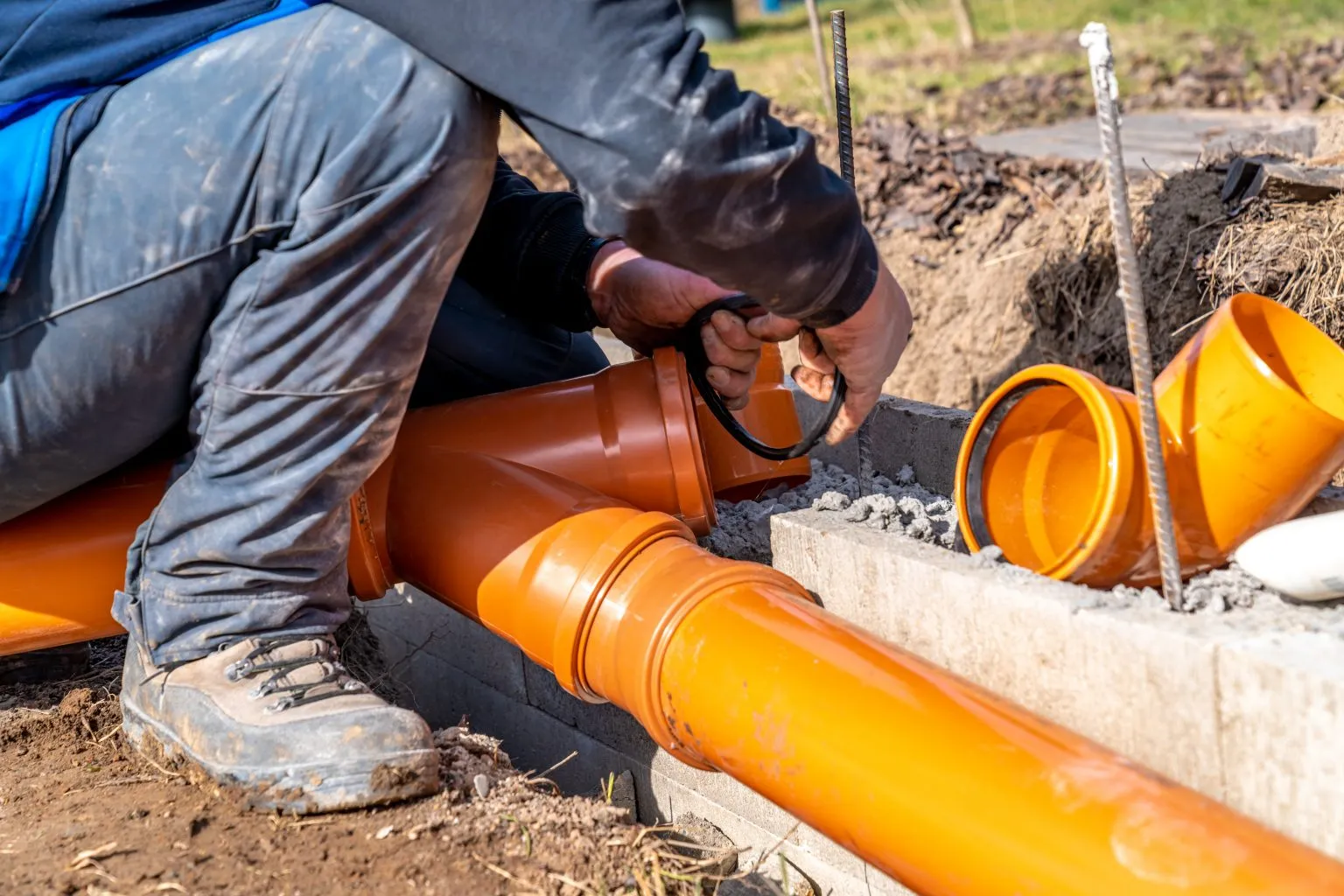
Full excavation of the sewer line trench, removal of the old pipe, installation of new PVC or ABS pipe, backfill, and hardscape restoration. Required when the line is collapsed, has sharp bends, needs repositioning, or when trenchless methods aren’t feasible. Cost: $8,000 to $25,000+ depending on line length, depth, and restoration requirements.
Sewer Cleanout Installation
Installation of an accessible cleanout — a vertical pipe with cap allowing direct access to the sewer line for future maintenance. Often installed during any major sewer repair. Required by San Jose city code for new sewer connections. Cost: $500 to $1,500 when installed alongside other work.
Sewer Line Cleaning (Preventive)
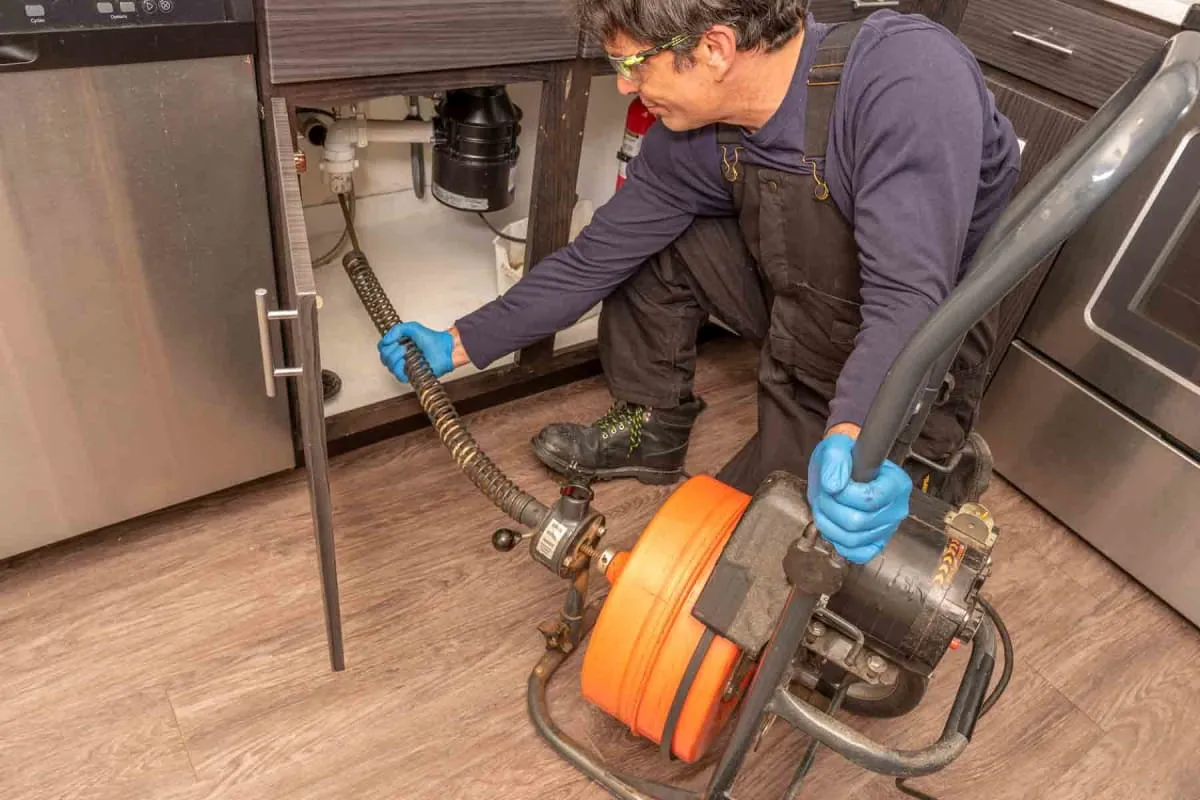
Motorized augering and hydro jetting to remove roots, grease, and buildup before they cause structural failure. Best done every 12 to 24 months for older San Jose homes with mature trees. Cost: $275 to $800. Learn more on our drain cleaning page.
Trenchless vs. Traditional Sewer Repair — Which Is Right?
Trenchless methods dominate modern sewer repair, but traditional excavation is still necessary in some cases. Here’s an honest comparison
| Feature | Trenchless (Lining) | Trenchless (Bursting) | Traditional Excavation |
| Yard/driveway damage | Minimal (2 small pits) | Minimal (2 access pits) | Extensive trench |
| Time to complete | 1–2 days | 1–2 days | 2–5 days |
| Restoration cost | Low | Low | High (landscape, hardscape) |
| Total project cost | $3,500–$8,000 | $5,000–$12,000 | $8,000–$25,000+ |
| New pipe lifespan | 50+ years | 50–100 years | 50–100 years |
| Requires intact host pipe? | Yes | No | No |
| Can increase pipe size? | No | Yes | Yes |
| Sharp bends OK? | Limited | Limited | Yes |
| Deep pipes OK? | Yes | Yes | Depth increases cost |
| Best for | Cracks, root intrusion, general aging | Collapsed pipe, upsizing | Repositioning, severe damage |
| Warranty | 50 years (liner) | 50+ years (HDPE) | Standard workmanship |
When Trenchless Won’t Work
Trenchless methods require enough intact pipe to guide the liner or bursting head. If the sewer has fully collapsed, has multiple 90-degree bends, needs relocation, or connects to disintegrated fittings, traditional excavation may be the only safe option. Video camera inspection determines this before quoting.
Why Sewer Lines Fail in San Jose Homes
San Jose’s mix of aging pipes, mature trees, seismic activity, and soil conditions creates specific sewer failure patterns we see across neighborhoods.
Tree Root Intrusion (Most Common Cause)
San Jose’s beautiful mature tree canopy — dense in Rose Garden, Willow Glen, Naglee Park, and Downtown neighborhoods — is the #1 cause of sewer failures. Roots seek water and enter through hairline cracks in clay or Orangeburg joints, expanding until they crack or collapse the pipe. Root cutting via hydro jetting is a temporary fix; trenchless lining is the permanent solution.
Aging Clay & Orangeburg Pipes (1950s–1970s Homes)
Homes built in San Jose between 1950 and 1975 — a huge segment of Willow Glen, Rose Garden, Berryessa, and older Almaden Valley — used clay tile or Orangeburg (bituminized fiber) sewer laterals. Both materials reach end-of-life at 50 to 70 years. Orangeburg is especially notorious for softening and collapsing.
Bay Area Seismic Ground Movement
San Jose sits in a seismically active region with expansive clay soil. Even small ground shifts stress rigid clay pipes at joints, causing gradual separation and infiltration. Over decades, this leads to belly (sagging) sections that trap debris and eventually collapse.
Municipal Sewer Main Backups
When San Jose city sewer mains back up (during storm events or municipal maintenance), pressure can push sewage back up private laterals. If your home doesn’t have a backwater valve installed, sewage reaches the lowest fixture. We install backwater valves as part of sewer replacement.
How We Handle Sewer Line Repair in San Jose
Call & Symptom Assessment
Call (669) 332-9191. We ask about your symptoms — which drains are affected, when it started, whether backups have occurred, and your home’s age. This helps us dispatch the right technician and equipment.
Video Camera Inspection
Our technician runs a waterproof camera down your sewer line from the cleanout, recording video of the entire pipe. You see the damage in real time. Distance counters mark the exact location of every issue.
Diagnosis & Method Recommendation
Based on camera footage, pipe material, and damage extent, we recommend the appropriate repair method — spot repair, trenchless lining, pipe bursting, or full replacement. You receive written explanation of why we’re recommending each option.
Repair Execution & Final Inspection
We complete the repair using the agreed method, run final camera footage to verify the completed work, coordinate any required city inspection, restore hardscape/landscape to pre-work condition, and provide written service documentation with warranty paperwork.
Why San Jose Homeowners Choose Us for Sewer Line Repair
Camera Inspection Before Any Quote
We never quote sewer work without camera inspection first. You see the actual damage, we identify the actual cause, and the quote reflects the actual scope — not a guess.
Trenchless-First Approach
When trenchless methods are viable, we recommend them — saving you money on restoration and preserving your landscape. When they aren’t viable, we tell you honestly and explain why.
Permit Coordination Handled
Sewer work in San Jose requires city permits for right-of-way portions. We handle the entire permit process — application, coordination with San Jose Public Works, and inspection scheduling.
Written Camera Footage Included
Every camera inspection includes recorded video footage you keep for records. Useful for insurance claims, second opinions, home sale disclosures, and comparing quotes.
Active Sewer Backup Right Now? Call for 24/7 Emergency Service.
Sewage rising in a drain is a health-safety emergency. Stop water use and call. We dispatch immediately across San Jose.