Leak Detection in San Jose, CA — Find Hidden Leaks Without Demolition
Non-invasive water leak, slab leak, and gas leak detection across San Jose. We use acoustic listening equipment, thermal imaging, and tracer gas to pinpoint leaks — no unnecessary cutting into walls, floors, or yards.
What Is Leak Detection?
Leak detection is a non-invasive plumbing service that locates hidden water, slab, or gas leaks inside walls, under concrete slabs, or beneath the yard — without unnecessary demolition. Our San Jose plumbers use acoustic listening devices, thermal imaging cameras, moisture meters, tracer gas, and pressure testing to pinpoint the exact leak location before repair begins.
Why It Matters
The average household with hidden leaks wastes nearly 10,000 gallons of water per year, according to the EPA. In San Jose, where water rates are among the highest in California, an undetected leak can add $30 to $100 per month to your water bill — and cause thousands of dollars in structural, drywall, and flooring damage over time.
Signs You Have a Hidden Leak in Your San Jose Home
Most water leaks stay hidden for months before homeowners notice. Watch for these warning signs — any single one is worth investigating.
1. Unexplained Rise in Your Water Bill
A sudden $30 to $100 increase in your San Jose water bill — with no change in household use — almost always points to a hidden leak. Compare the last three billing cycles. A steady climb is the strongest single indicator.
2. Sound of Running Water When Everything Is Off
Stand in your quietest room at night, turn off every fixture, and listen. If you hear a faint hissing, dripping, or rushing sound, water is escaping somewhere in your supply lines.
3. Warm or Damp Spots on the Floor
Warm floor patches — especially on ground-floor concrete slabs — indicate a hot water slab leak. Damp cold spots suggest cold water line leaks. Both need immediate detection before subfloor damage compounds.
4. Musty Smell or Mold Growth
A persistent musty odor near baseboards, inside cabinets, or in specific rooms means water is soaking into wood framing or drywall. Mold begins forming within 48 hours of continuous moisture exposure.
5. Discolored or Bubbling Paint & Drywall
Yellow-brown stains on ceilings, bubbling wall paint, warped baseboards, or peeling wallpaper all signal water infiltration from a hidden pipe leak nearby — often on the floor above.
6. Low Water Pressure
A sudden drop in shower or faucet pressure across multiple fixtures often indicates a supply line leak reducing whole-house pressure. Localized pressure drops point to leaks near specific fixtures.
7. Water Meter Moves With Everything Off
Turn off every fixture and appliance in the home. Check your water meter. If the meter dial still moves, water is escaping somewhere between the meter and your fixtures — you have a leak.
8. Cracks in Your Foundation or Uneven Floors
Long-term slab leaks can erode soil beneath the foundation, causing cracks, uneven floors, or sticking doors. This is common in older Almaden and Cambrian homes on original slab-on-grade foundations.
9. Wet Patches in the Yard
Consistently soggy or unusually green patches of lawn — especially over the path from the water meter to the house — indicate an underground main line leak. Call for underground leak detection before soil erosion compromises landscaping or hardscape.
10. Rust-Colored Water
Rust in your tap water can indicate corroded galvanized pipes with active leaks. Common in San Jose homes built before 1970 in Willow Glen, Rose Garden, and Naglee Park
Complete Leak Detection Services in San Jose
Every leak is different — hidden behind walls, buried underground, embedded in a slab, or leaking from a gas line. We match the right detection technology to the leak type.
Water Leak Detection
Whole-property scanning for hidden water leaks in supply and drain lines. We use acoustic listening equipment, moisture meters, and pressure testing to identify the exact location of leaks inside walls, under floors, and in ceilings.
Slab Leak Detection
Slab leak detection under concrete foundations using electronic acoustic equipment and thermal imaging cameras. We locate the exact position of pipe leaks embedded in the slab, letting your plumber cut a small access point instead of tearing up the entire floor.
Underground Leak Detection
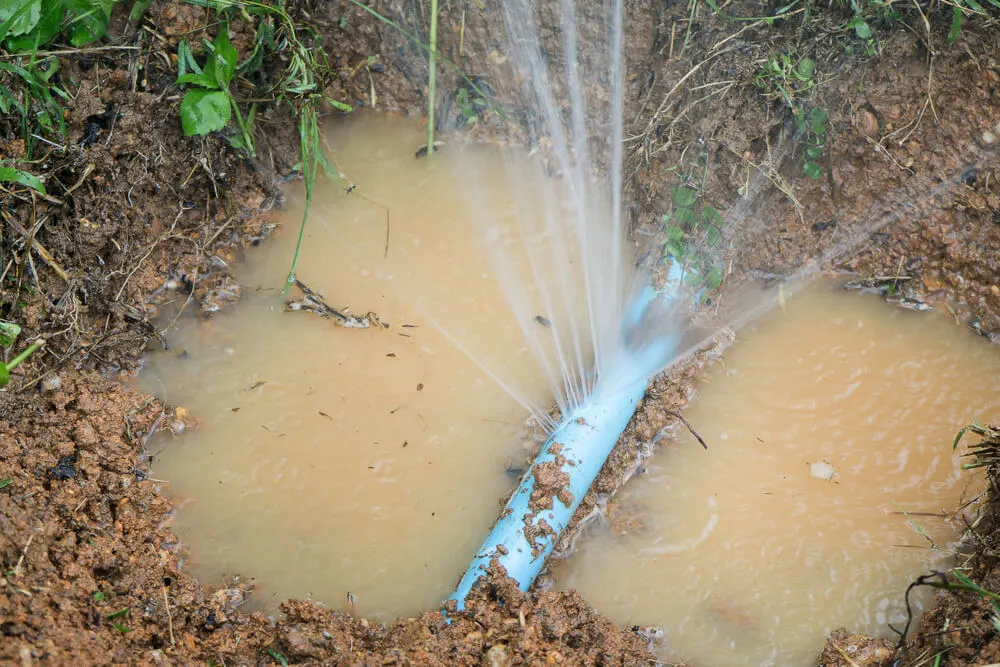
Underground water line detection between the meter and your San Jose home using ground-microphones and correlator equipment. We pinpoint main line leaks under lawns, driveways, and hardscape without exploratory digging.
Pipe Leak Detection
Non-invasive pipe leak location inside interior walls using acoustic amplifiers and thermal imaging. We identify the exact wall cavity and pipe section before any drywall is cut.
Bathroom & Kitchen Leak Detection
Targeted leak detection for suspected fixture, drain, and supply line leaks in kitchens and bathrooms. We test each fixture, supply line, and drain assembly to isolate the source.
Gas Leak Detection
Natural gas leak detection using combustible gas sensors calibrated to detect leaks as small as parts-per-million concentrations. Includes appliance connection testing, gas line pressure tests, and coordination with PG&E when needed.
Pool & Spa Leak Detection
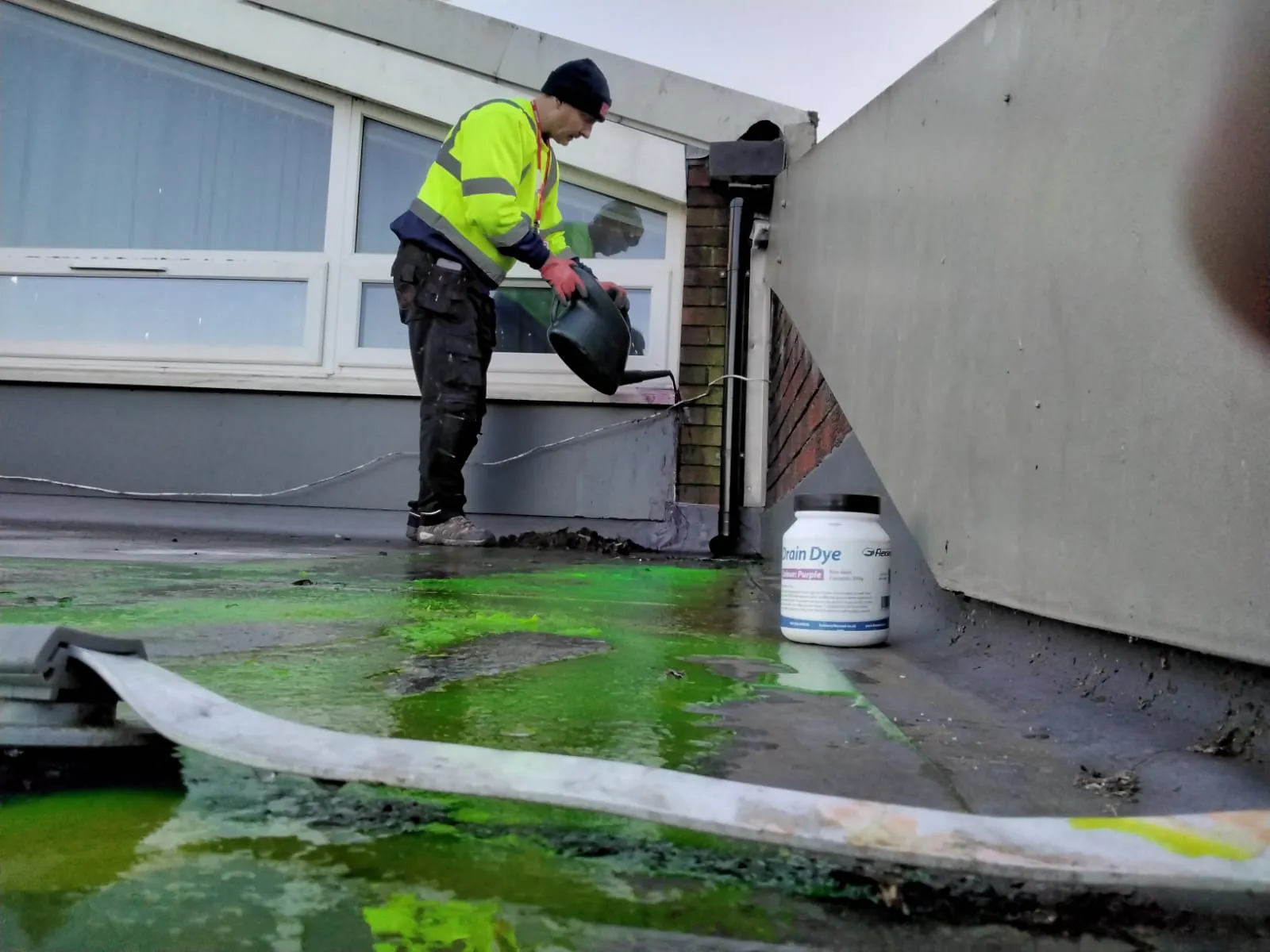
Pool leak detection using pressure testing, dye testing, and structural inspection. Common in South San Jose and Almaden homes where pool age and ground movement have caused underground supply line leaks.
Emergency Leak Detection
24/7 emergency leak detection across San Jose for active leaks causing property damage. We arrive fast, locate the source, and coordinate immediate repair to stop the damage.
Leak Detection Technology We Use
Modern leak detection is a science. We use multiple technologies together — cross-verifying each finding — to locate leaks precisely without unnecessary damage.
Acoustic Leak Detection
Ultra-sensitive ground microphones and pipe-contact amplifiers pick up the sound of water escaping under pressure. Leaks produce distinctive hissing frequencies (typically 300–3,000 Hz) that our equipment isolates from background noise. Effective on both metal and plastic pipes.
Thermal Imaging Cameras
Infrared thermal imaging detects temperature differences invisible to the eye. Hot water leaks show as bright warm zones on the display; cold water leaks appear as dark cold zones. Ideal for locating slab leaks and leaks behind drywall without cutting.
Moisture Meters
Pin-type and pinless moisture meters read moisture content inside drywall, subfloors, and wood framing. Readings above 20% indicate active water infiltration. Used to trace leak paths from visible damage back to the source.
Tracer Gas Detection
A safe, non-toxic hydrogen-nitrogen tracer gas mixture is injected into empty water lines. Gas escapes through even hairline pinholes and rises through soil, slab, or drywall to a surface detector. Locates leaks other methods cannot.
Slab Leak Detection in San Jose Homes
Slab leaks are one of the most common serious plumbing issues in San Jose — especially in homes built between 1950 and 1990 across Almaden Valley, Cambrian Park, Blossom Valley, South San Jose, and parts of Willow Glen. Here’s what you need to know.
What Is a Slab Leak
A slab leak is a leak in the copper or PEX water lines that run through or beneath a home’s concrete foundation slab. Since the pipes are embedded in or below concrete, leaks are invisible from above and can cause months of hidden damage before homeowners notice.
Common Causes of Slab Leaks in San Jose
Signs of a Slab Leak
Modern vs. Traditional Leak Detection Methods
| Feature | Traditional Method | Modern Non-Invasive Detection |
| Approach | Cut walls, floors, or dig yards to find leak | Acoustic, thermal, and tracer gas technology |
| Property damage | Extensive drywall, tile, or landscape damage | Minimal — access hole only at exact leak point |
| Time to locate | Hours to days of exploratory work | 1–2 hours typical |
| Total cost | $2,000–$8,000+ including repair damage | $150–$600 detection + targeted repair |
| Accuracy | Guess-and-check | Pinpoint within 6 inches |
| Slab leak method | Break entire slab section | Small precise cut over located leak |
| Restoration cost after repair | High (drywall, paint, flooring, landscape) | Low (one small patch) |
| Suitable for hidden leaks? | Only after significant demolition | Yes — including behind tile and under slab |
Our Slab Leak Detection Process
We combine acoustic listening equipment placed directly on the slab, thermal imaging to map temperature zones, and pressure testing of isolated line sections. Cross-verification with multiple methods ensures we mark the exact leak location — often within 6 inches — before any concrete is cut
How We Find Your Leak in San Jose
Call & Symptom Interview
Call (669) 332-9191. We ask about your symptoms — water bill changes, visible damage, sounds, warm spots — and your San Jose home’s age and construction type. This lets us dispatch with the right detection equipment.
On-Site Inspection
Our technician walks the property, inspects visible damage, checks the water meter for movement, and identifies suspect areas. Floor protection and drop cloths go down before any equipment is unpacked.
Multi-Method Detection
We deploy the detection technology matched to your leak type — acoustic listening, thermal imaging, moisture mapping, tracer gas, or pressure testing. Multiple methods are used together for cross-verification.
Written Detection Report
You receive a written report documenting the leak location, cause, recommended repair method, and flat-rate repair quote. You choose whether to proceed with repair immediately or use the report for insurance or a second opinion.
Why San Jose Homeowners Choose Our Leak Detection Service
Multi-Method Detection
We don’t rely on one tool. Acoustic, thermal, moisture, and tracer gas methods work together to cross-verify every finding — so we mark the exact leak location, not an approximate area.
Non-Invasive First
Our default approach avoids cutting or digging until the leak is precisely located. Most detections require zero cuts — repairs afterward need only a small precise access point.
Written Detection Report
You receive a documented report showing leak location, cause, and photos or thermal images. Useful for insurance claims, second opinions, or homeowner records.
Same-Day Service Across San Jose
Most leak detection calls received before 2 PM get same-day service across San Jose, Cupertino, Campbell, Los Gatos, Milpitas, Atherton, and Morgan Hill.
Active Leak Causing Damage? We’re Available 24/7 Across San Jose.
Shut off your main water valve and call us. We dispatch immediately with detection equipment ready.